
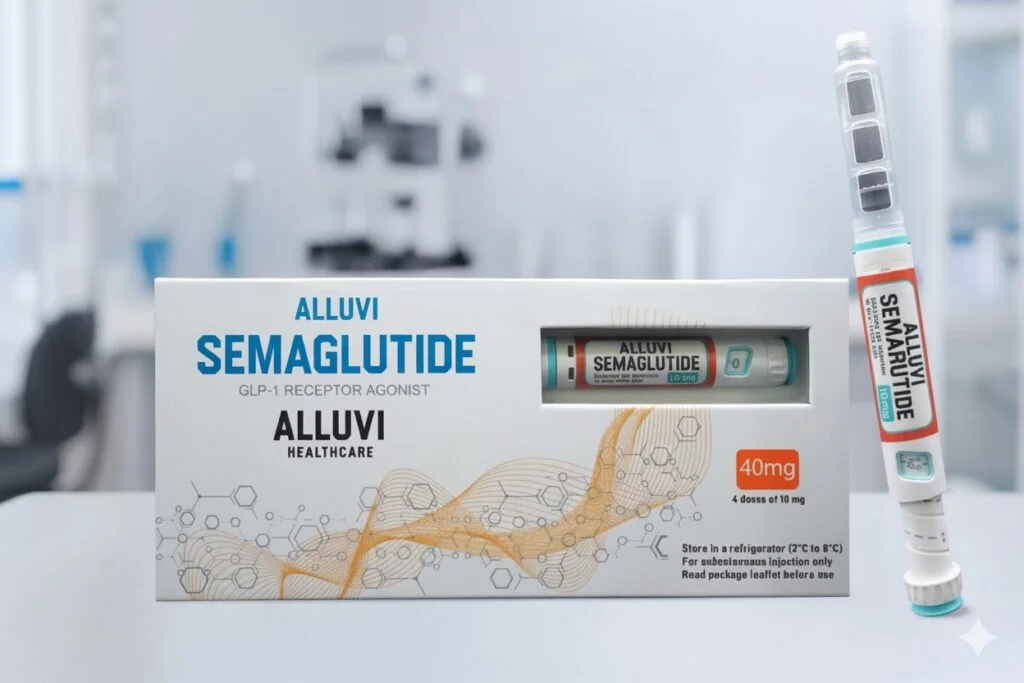
Buy Semaglutide 40mg peptide high purity online
Semaglutide is a GLP-1 receptor agonist used in the management of obesity, weight management, and type 2 diabetes under medical supervision. In the United Kingdom, semaglutide is a prescription-only medicine and is available through regulated healthcare pathways. It has become one of the most widely discussed medications in metabolic medicine because of its effects on appetite regulation, blood sugar control, and weight reduction. The UK Medicines and Healthcare products Regulatory Agency (MHRA) has approved semaglutide-containing medicines for specific clinical uses when prescribed by qualified healthcare professionals. (GOV.UK)
What Is Semaglutide?
Semaglutide belongs to a class of medicines known as GLP-1 receptor agonists. These medications mimic a naturally occurring hormone involved in appetite regulation and glucose metabolism.
Key characteristics include:
- Prescription-only medication
- GLP-1 receptor agonist
- Used for obesity and weight management
- Used for type 2 diabetes management
- Administered under healthcare supervision
- Supported by extensive clinical research
Semaglutide is available in different formulations and strengths depending on the approved indication. (nhs.uk)
How Semaglutide Works
Semaglutide works by mimicking glucagon-like peptide-1 (GLP-1), a hormone naturally released after eating.
Its actions include:
- Reducing appetite
- Increasing feelings of fullness
- Slowing gastric emptying
- Supporting blood glucose regulation
- Enhancing insulin release when needed
- Reducing excess glucose production by the liver
These combined effects help improve metabolic control and support weight-management efforts. (nhs.uk)
Areas of Approved Use
In the UK, semaglutide has approved uses for:
Weight Management
Semaglutide may be prescribed to eligible adults living with obesity or overweight conditions accompanied by weight-related health concerns. Treatment is intended to be used alongside lifestyle interventions such as dietary improvements and increased physical activity. (GOV.UK)
Type 2 Diabetes
Semaglutide is also used to improve blood glucose control in adults with type 2 diabetes as part of a comprehensive treatment plan. (nhs.uk)
Potential Benefits Observed in Clinical Studies
Clinical research has demonstrated several potential benefits associated with semaglutide treatment.
These may include:
- Significant weight reduction
- Improved blood sugar control
- Better appetite management
- Enhanced metabolic health markers
- Reduced cardiovascular risk in specific patient populations
- Improved long-term weight-management outcomes
Individual results vary depending on medical history, adherence, and lifestyle factors. (GOV.UK)
Common Side Effects
Like many GLP-1 receptor agonists, semaglutide may cause side effects.
Frequently reported effects include:
- Nausea
- Vomiting
- Diarrhoea
- Constipation
- Stomach discomfort
- Reduced appetite
Many of these effects are most noticeable during dose escalation and may improve over time. (nhs.uk)
Important Safety Considerations
Healthcare professionals assess suitability before prescribing semaglutide.
Important considerations may include:
- Previous pancreatitis
- Gastrointestinal disorders
- Current medications
- Pregnancy planning
- Breastfeeding
- Personal medical history
Patients should always follow the guidance of their healthcare provider. (nhs.uk)
Monitoring During Treatment
Routine monitoring may include:
- Weight changes
- Blood glucose measurements
- Treatment response
- Gastrointestinal symptoms
- General health assessments
Regular follow-up appointments help ensure that treatment remains safe and effective. (nhs.uk)
UK Regulatory Status
is a licensed prescription medicine in the United Kingdom.
Current regulatory considerations include:
- Prescription-only status
- MHRA oversight
- Regulated pharmacy dispensing
- Approved indications for specific patient groups
- Ongoing safety monitoring
The MHRA continues to monitor safety and effectiveness following approval. (GOV.UK)
Importance of Using Licensed Healthcare Providers
UK health authorities have repeatedly warned consumers about counterfeit and unregulated weight-management products sold through unofficial sources. Prescription medicines should only be obtained through legitimate healthcare professionals and registered pharmacies. Counterfeit products may contain incorrect ingredients, contamination, or inaccurate dosages that could pose serious health risks. (The Guardian)
Lifestyle Factors Remain Essential
is most effective when combined with healthy lifestyle practices.
Recommended approaches include:
- Balanced nutrition
- Regular physical activity
- Adequate sleep
- Stress management
- Long-term behavioural changes
- Ongoing healthcare support
Medication is generally considered one component of a broader health-management strategy. (GOV.UK)
Future Developments
Research into semaglutide continues to evolve. Recent developments in the UK include additional formulations and expanded treatment options for eligible patients. Regulatory agencies continue to evaluate new evidence regarding effectiveness, safety, and long-term outcomes. (GOV.UK)
Conclusion
is an important GLP-1 receptor agonist used in the management of obesity, weight management, and type 2 diabetes in the United Kingdom. By helping regulate appetite, glucose metabolism, and energy balance, it has become a significant treatment option within modern metabolic healthcare. As a prescription-only medicine, semaglutide should always be used under professional medical supervision through regulated healthcare channels. Understanding its mechanism of action, potential benefits, safety considerations, and regulatory status helps individuals make informed decisions about weight management and metabolic health.