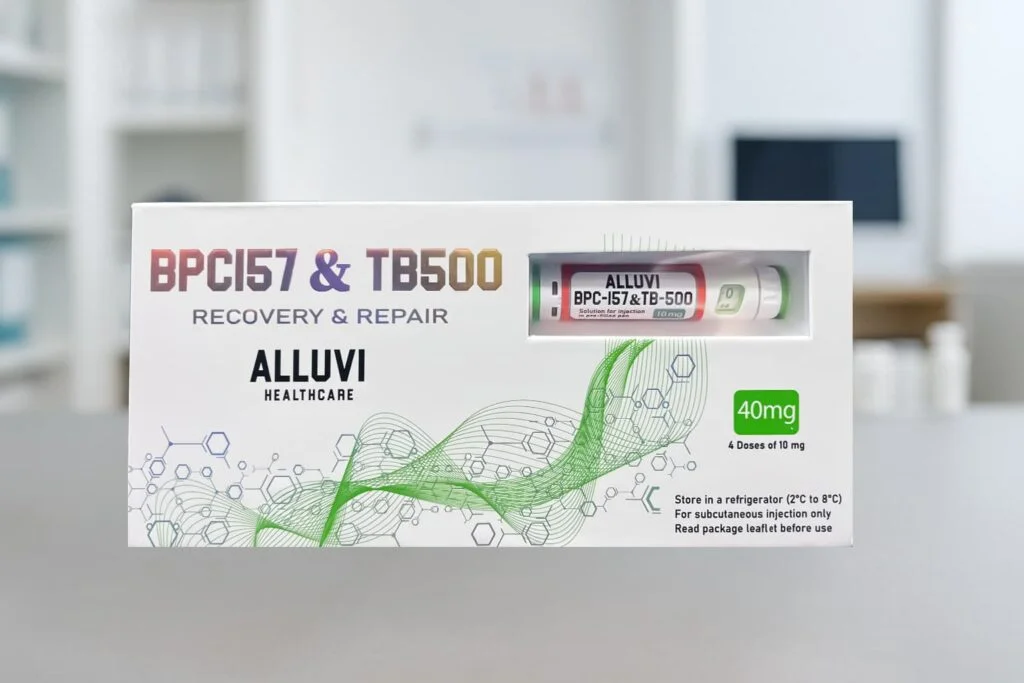
Buy BPC-157 & TB-500 40mg peptide high purity online
BPC-157 and TB-500 are two synthetic peptides frequently discussed in research communities interested in tissue repair, recovery biology, and regenerative science. They are often mentioned together because they appear to act through different biological pathways in preclinical studies. While both compounds have attracted considerable attention online, neither has broad regulatory approval as a medicine for human therapeutic use, and most available evidence comes from laboratory and animal research rather than large human clinical trials. Peptide Therapy
Researchers continue to investigate their biological properties, but current evidence remains limited and incomplete. (Peptra Labs)
What Is BPC-157?
BPC-157 (Body Protection Compound-157) is a synthetic peptide derived from a protein sequence associated with gastric tissue. It has been studied primarily in animal models involving:
- Tendon and ligament repair
- Gastrointestinal tissue research
- Wound-healing mechanisms
- Angiogenesis (blood vessel formation)
- Inflammatory signaling pathways
Research suggests BPC-157 may influence vascular and nitric oxide–related pathways, though its effects in humans remain unproven. (Peptra Labs)
What Is TB-500?
TB-500 is a synthetic peptide fragment derived from Thymosin Beta-4, a naturally occurring protein involved in cellular processes.
Areas of scientific interest include:
- Cell migration
- Tissue remodeling
- Actin regulation
- Wound-healing biology
- Connective tissue research
Researchers believe TB-500 may act more systemically than BPC-157 by influencing cellular movement and repair signaling. (Peptra Labs)
Why Researchers Compare BPC-157 and TB-500
BPC-157 and TB-500 are frequently discussed together because they appear to target different biological mechanisms.
Research literature commonly describes:
| BPC-157 | TB-500 |
|---|---|
| Vascular and nitric oxide pathways | Cell migration and actin regulation |
| Localized tissue research | Systemic repair research |
| Gastrointestinal and connective tissue studies | Broad tissue remodeling studies |
| Angiogenesis-related investigations | Cellular movement investigations |
Because of these differences, some researchers view the compounds as potentially complementary rather than interchangeable. (peptidepedia.org)
Areas of Scientific Interest
Current research involving BPC-157 and TB-500 includes:
- Soft tissue recovery models
- Tendon and ligament studies
- Muscle injury research
- Wound-healing mechanisms
- Inflammatory response pathways
- Cellular regeneration biology
Most findings originate from preclinical studies and should not be interpreted as proven human outcomes. (Peptpedia)
What Does Current Evidence Show?
Available evidence suggests:
- Animal studies have demonstrated biological activity.
- Laboratory models show effects on repair-related pathways.
- Human clinical data remain extremely limited.
- Long-term safety has not been established.
Experts consistently emphasize that promising preclinical results do not automatically translate into proven human therapeutic benefits. (Peptra Labs)
Regulatory Status
The regulatory status of BPC-157 and TB-500 is important to understand.
Current considerations include:
- Neither peptide has broad approval as a standard prescription medicine.
- Many products are sold as research compounds.
- Regulatory agencies have expressed concerns about unapproved therapeutic claims.
- Competitive sports organizations have restrictions regarding certain experimental peptides. (Peptra Labs)
Potential Risks and Concerns
Researchers and healthcare professionals have highlighted several concerns:
- Limited human safety data
- Unknown long-term effects
- Product purity concerns
- Inconsistent manufacturing standards
- Potential contamination risks
- Lack of standardized dosing information
These concerns are particularly relevant when compounds are obtained through unregulated sources. (The Guardian)
Scientific Limitations
When evaluating information about BPC-157 and TB-500, it is important to recognize several limitations:
- Much of the evidence comes from animal studies.
- Large-scale human trials are lacking.
- Online claims often exceed available evidence.
- Anecdotal reports do not replace scientific research.
Researchers continue to call for rigorous clinical studies before firm conclusions can be made regarding effectiveness or safety. (EatingWell)
Growing Interest in Peptide Research
Interest in peptide science has expanded significantly in recent years. Researchers are exploring how biologically active peptides may influence:
- Cellular signaling
- Tissue maintenance
- Metabolic regulation
- Inflammatory responses
- Regenerative biology
BPC-157 and TB-500 represent only a small part of a much broader field of peptide research. (The Guardian)
Importance of Evidence-Based Information
For individuals researching peptides, evidence-based information is essential.
Key principles include:
- Relying on peer-reviewed research
- Understanding regulatory status
- Recognizing limitations of animal studies
- Avoiding exaggerated marketing claims
- Consulting qualified healthcare professionals regarding medical concerns
Scientific evaluation remains the most reliable way to assess emerging compounds.
Conclusion
BPC-157 and TB-500 are synthetic peptides that have generated substantial interest within regenerative and recovery-focused research communities. Preclinical studies suggest they may influence different biological pathways related to tissue repair, angiogenesis, cell migration, and inflammatory signaling. However, neither compound has established therapeutic approval for routine human medical use, and substantial questions remain regarding long-term safety, effectiveness, and clinical applications. Understanding the current evidence, limitations, and regulatory considerations is essential for anyone seeking accurate information about these widely discussed research peptides.